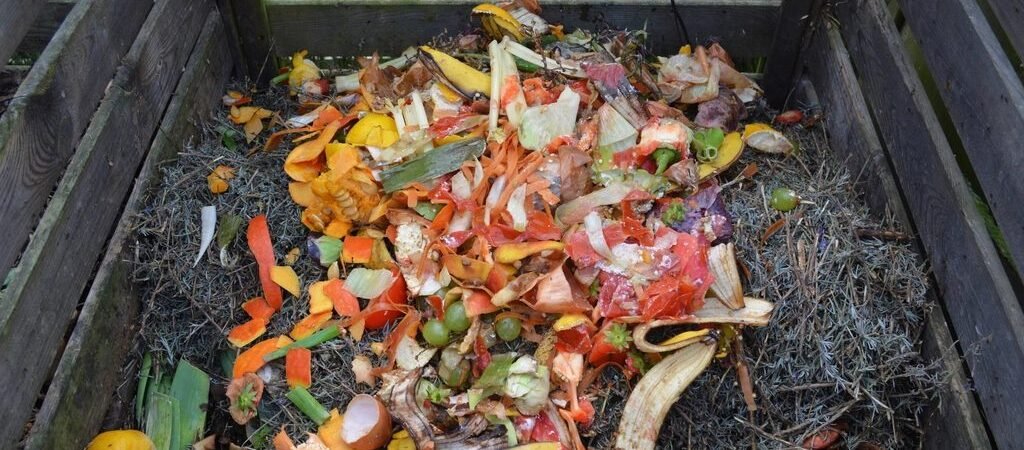
Composting is a simple and eco-friendly way to recycle organic waste while creating nutrient-rich material for your garden. Instead of throwing away food scraps and yard waste, you can turn them into natural fertilizer that improves soil quality and supports healthier plant growth. Composting at home is easy, affordable, and beneficial for both your garden and the environment.
What Is Composting?
Composting is the natural process of breaking down organic materials into a dark, soil-like substance called compost. This material contains nutrients that help plants grow stronger and improve the overall condition of garden soil.
Choose the Right Composting Location
Select a suitable place for your compost pile or bin. A shaded area with good airflow and easy access is ideal. You can compost in a backyard corner, garden area, or use a small compost container if you have limited space.
Know What You Can Compost
Many household and garden materials can be composted. Good compost ingredients include fruit and vegetable scraps, coffee grounds, tea leaves, dry leaves, grass clippings, and small plant materials. These items add valuable nutrients to your compost.
Balance Green and Brown Materials
Successful composting requires a balance between green and brown materials. Green materials include food scraps and fresh grass, which provide nitrogen. Brown materials include dry leaves, cardboard, and small branches, which provide carbon and help maintain proper structure.
Avoid Certain Materials
Not everything belongs in a compost pile. Avoid adding meat, dairy products, oily foods, plastic materials, and chemicals. These items can create unpleasant odors, attract pests, or slow down the composting process.
Maintain Proper Moisture
A compost pile needs the right amount of moisture to break down effectively. It should feel slightly damp but not too wet. If the compost becomes too dry, add water or more green materials. If it becomes too wet, add dry leaves or cardboard.
Turn Your Compost Regularly
Mixing or turning your compost helps provide oxygen and speeds up decomposition. Use a garden tool to gently mix the materials every few weeks. Proper airflow helps prevent bad odors and encourages faster compost production.
Use Finished Compost in Your Garden
When compost is ready, it becomes dark, crumbly, and has an earthy smell. Add it to garden beds, flower pots, or vegetable gardens to improve soil structure and provide natural nutrients for plants.
Benefits of Home Composting
Composting reduces household waste, improves soil health, saves money on fertilizers, and supports environmentally friendly gardening practices. It also helps conserve resources by recycling materials that would otherwise end up as waste.
What to Compost
Compost works best with a mix of greens and browns. Greens include fruit and vegetable scraps, coffee grounds and grass clippings. Browns include dry leaves, cardboard, paper and straw.
Aim for roughly two to three parts browns to one part greens. This balance keeps the pile from smelling and helps it break down evenly.
What to Avoid
Meat, fish, dairy, oily food and pet waste attract pests and create odors in a home compost bin. Diseased plants and weeds with seeds are also best kept out.
Glossy or coated paper and treated wood can add unwanted chemicals, so stick to plain cardboard and untreated materials.
Fixing Common Compost Problems
A smelly, slimy pile usually has too many greens or too much water. Add dry browns and turn it to let air in.
If the pile is dry and nothing is happening, add some greens and a little water, then mix. A healthy pile feels like a wrung-out sponge and smells earthy.
Final Thoughts
Composting at home is a simple habit that can make a big difference for your garden and the environment. By choosing the right materials, maintaining proper moisture, balancing green and brown ingredients, and caring for your compost regularly, you can create valuable natural fertilizer. With a little effort, anyone can start composting and enjoy the benefits of healthier soil and stronger plants.
Leave a Reply